Newborn Hygiene

Caring for a newborn's skin and body can feel intimidating at first because everything seems so small and delicate. The good news is that newborns don't need much. A gentle touch, a few simple products, and a little consistency go a long way. Here's what you need to know.

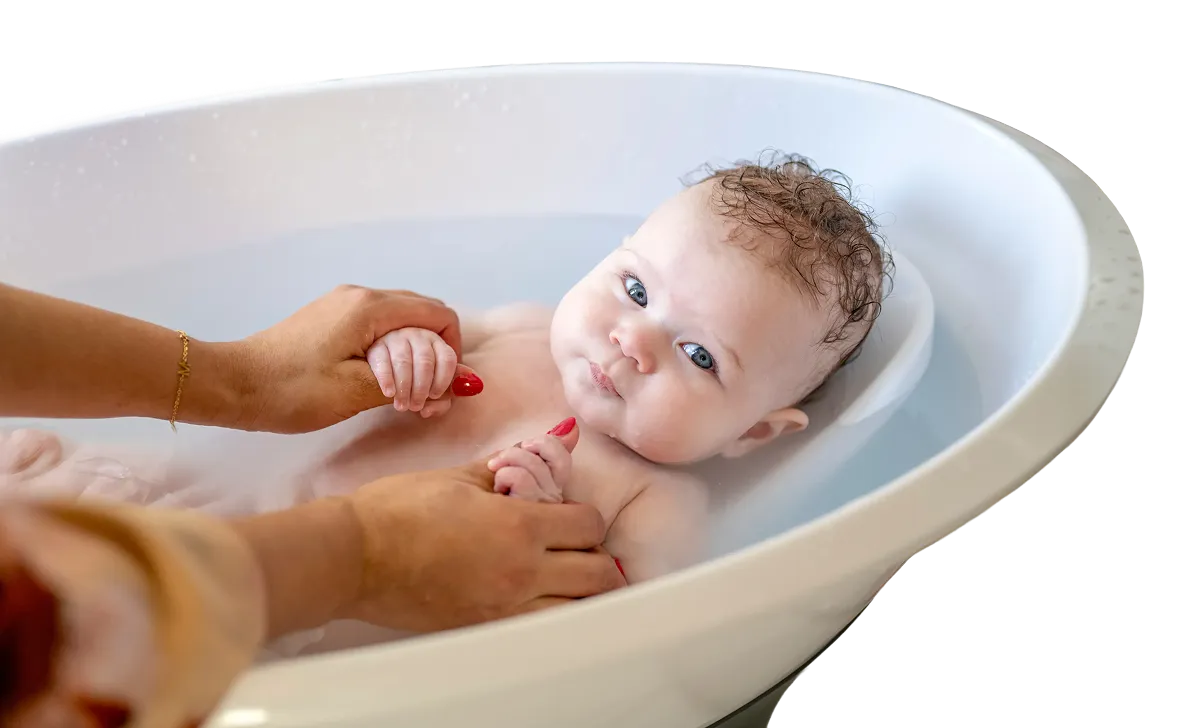
Smiling baby sitting in a white plastic baby bathtub.

Diapering

Newborns go through a lot of diapers — expect 8–10 a day in the early weeks. That's a lot of practice, which means you'll be a pro before you know it.

What to know:
  • Change diapers frequently to prevent irritation. Don't let a wet or soiled diaper sit too long
  • Always wipe front to back, especially for girls
  • Let the area air dry for a moment before putting on a fresh diaper
  • Use a thin layer of diaper cream or ointment at each change to help protect against redness before it starts
  • Cloth and disposable diapers both work — the best diaper is the one that works for your baby and your family
What's normal:
  • Newborn poop changes a lot in the first days, from dark, tarry meconium to yellow and seedy (if nursing) or tan and pasty (if formula feeding)
  • Frequent pooping is normal early on; some babies slow down significantly after a few weeks, which is also normal (such as every 5-7 days). Constipation is more the consistency of hard, small balls and not frequency
  • If you see bright red blood in the stool, white or pale poop, or black stool after the first few days, give us a call.
Smiling mother holding her baby’s hands while changing the baby’s diaper on a changing table.
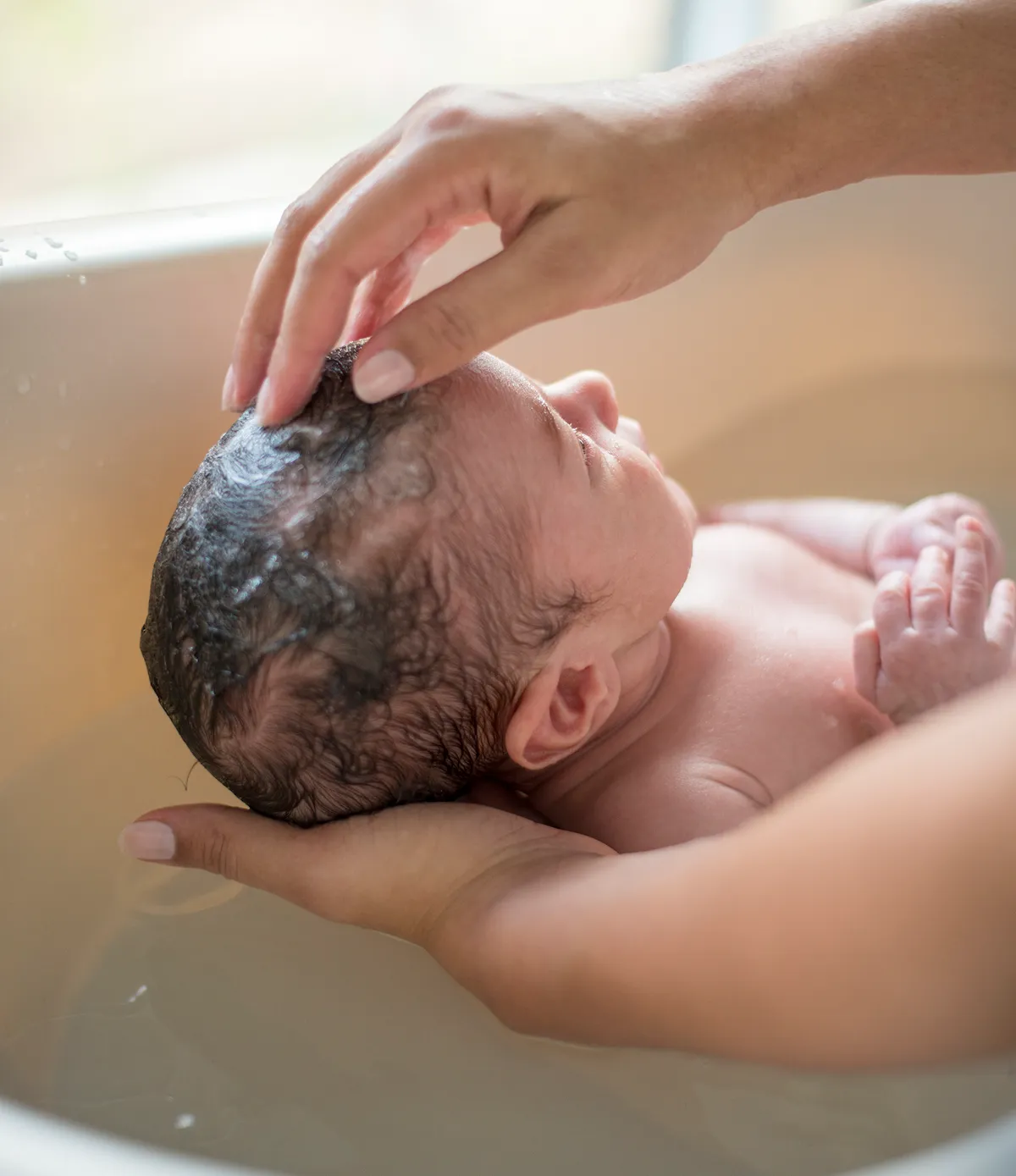
Smiling mother bathing her baby in a blue plastic tub filled with soapy water.

Bathing

Stick to sponge baths until your baby's umbilical cord stump falls off (the cord remnant at the belly button, which usually falls off within 1-3 weeks). After that, a few times a week is all they need. Newborns don't get that dirty.

How to give a sponge bath:
  • Choose a warm room and gather everything you need before you start
  • Use a soft washcloth and warm (not hot) water
  • Work from the cleanest areas to the dirtiest — face first, diaper area last
  • Keep the umbilical cord stump and belly button area dry throughout
Once you transition to a baby tub:
  • A few inches of warm water is plenty. Always test the temperature with your wrist or elbow before placing your baby in
  • Never leave your baby unattended, even for a second
  • Use a fragrance-free, gentle baby wash
  • Pat skin dry rather than rubbing, paying attention to all the little creases and folds

Skin and Common Rashes

Newborn skin is sensitive and still adjusting to life outside the womb. Most rashes and skin changes in the first weeks are harmless and temporary, but it helps to know what you're looking at.

Mother lying on bed facing and holding her newborn baby dressed in a star-patterned onesie.

Call your child's pediatrician if you notice:

  • A rash accompanied by fever
  • Blisters, open sores, or skin that looks infected
  • A rash that's spreading quickly or isn't improving

Worth watching:

  • Diaper rash: Red, irritated skin in the diaper area. Usually responds well to frequent changes, air time, and a barrier cream. If it's not improving after a few days or looks raw and painful, check in with your child's pediatrician
  • Eczema: Dry, itchy, inflamed patches that can appear anywhere on the body. Common in babies and very manageable. Your child's care team can always help you find the right approach
Smiling toddler in snowman pajamas holding two plastic spoons while sitting on a dark couch.

Common and normal:

  • Baby acne: Small red or white bumps on the face, usually appearing around 2–4 weeks. No treatment needed — it clears on its own
  • Milia: Tiny white dots on the nose and cheeks. Also harmless and self-resolving
  • Erythema toxicum: A blotchy, red rash that can appear in the first few days. Sounds alarming, looks alarming, but is completely harmless
  • Dry, peeling skin: Very common in the first week or two, especially in babies born at or after 40 weeks
Sleeping baby wearing a blue knit onesie lying in a wooden crib with star-patterned sheets.

Umbilical Cord Care

The umbilical cord stump at the baby's belly button will dry out and fall off on its own, typically within 1–3 weeks. In the meantime, keeping it clean and dry is the main goal.

Newborn baby sleeping on a white bed, wearing a white hat and striped long-sleeve shirt, partially covered with a gray and white patterned blanket.

Daily care

  • Stick to sponge baths until your baby's umbilical cord stump falls off
  • Fold the front of the diaper down to keep it exposed to air and avoid irritation
Baby sleeping on back in a wooden crib with gray moon-patterned sheet.

Healing process

  • Let it fall off naturally — don't pull at it, even if it looks like it's barely hanging on
  • A small amount of dried blood around the base when it falls off is normal
Smiling baby with curly hair lying in a wooden crib on a white sheet.

When to call your child's care team

  • Redness, swelling, or warmth spreading to the surrounding skin
  • A foul smell or discharge
  • Bleeding that doesn't stop with gentle pressure
  • The stump hasn't fallen off after 3 weeks
Mother gently touching and watching over her sleeping baby lying on a bed.

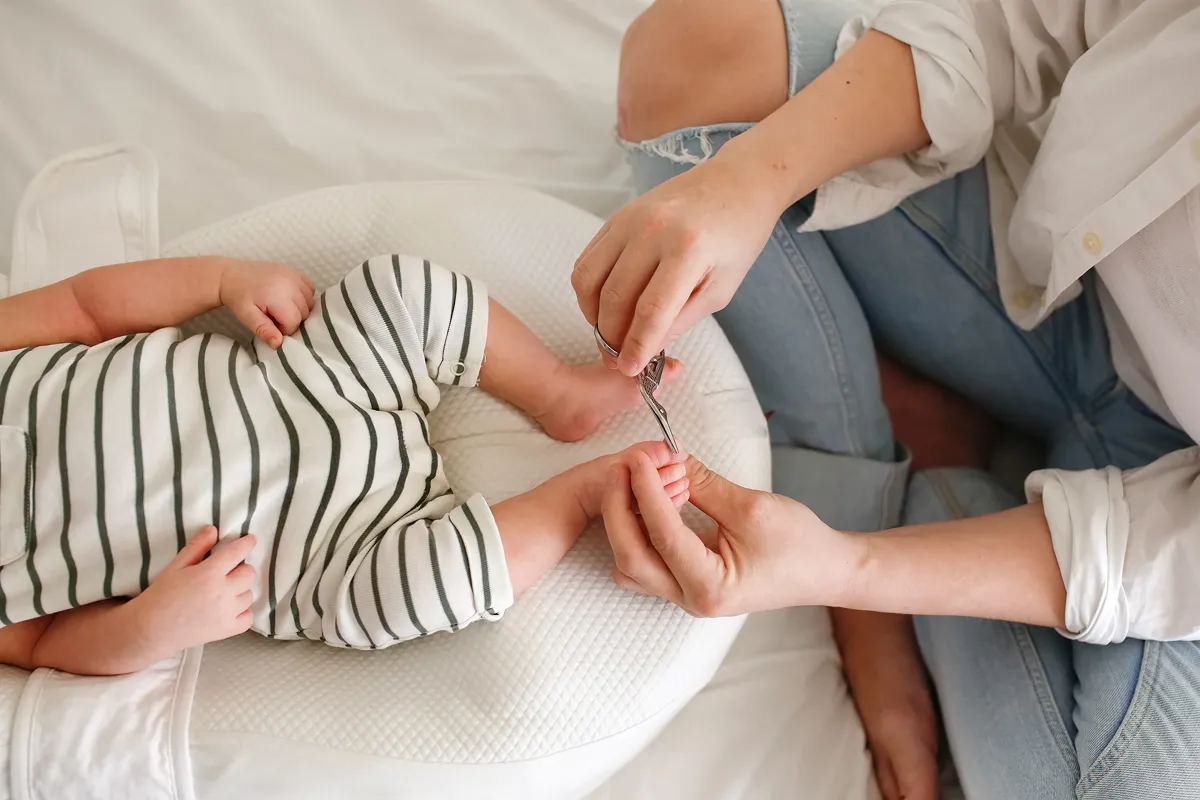
Nail Care

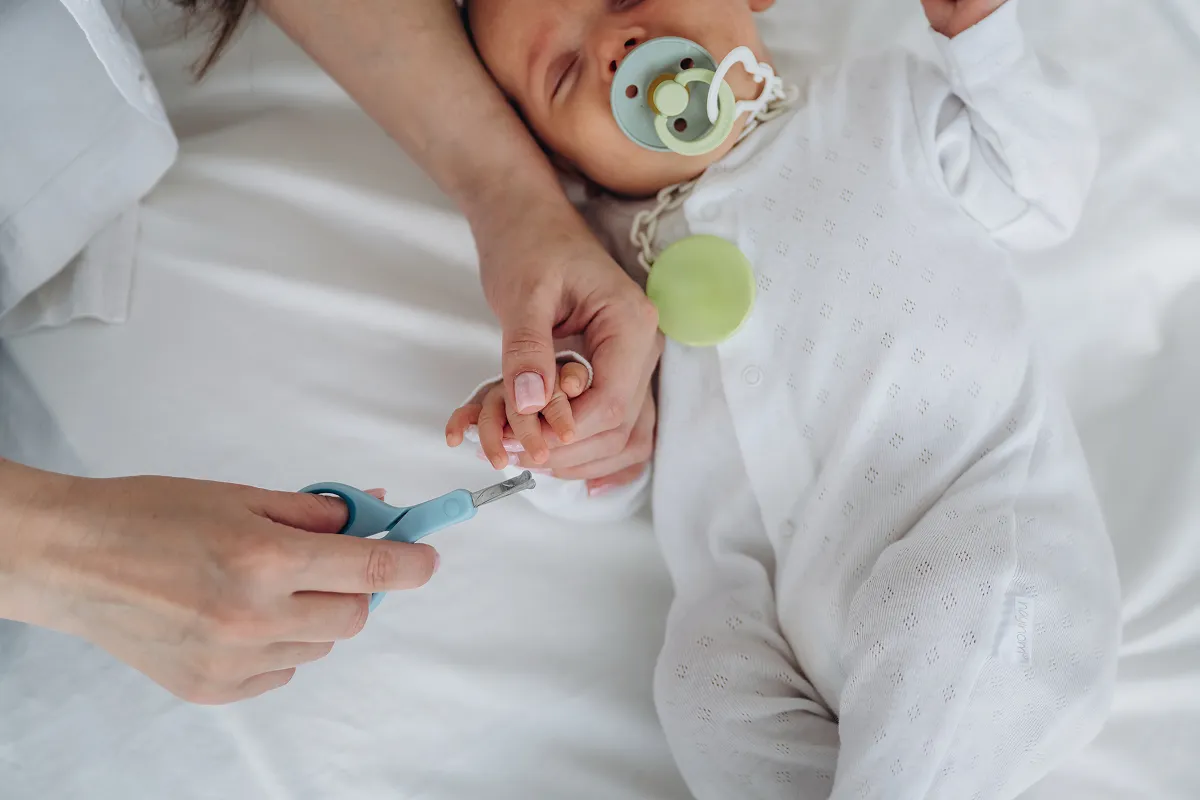
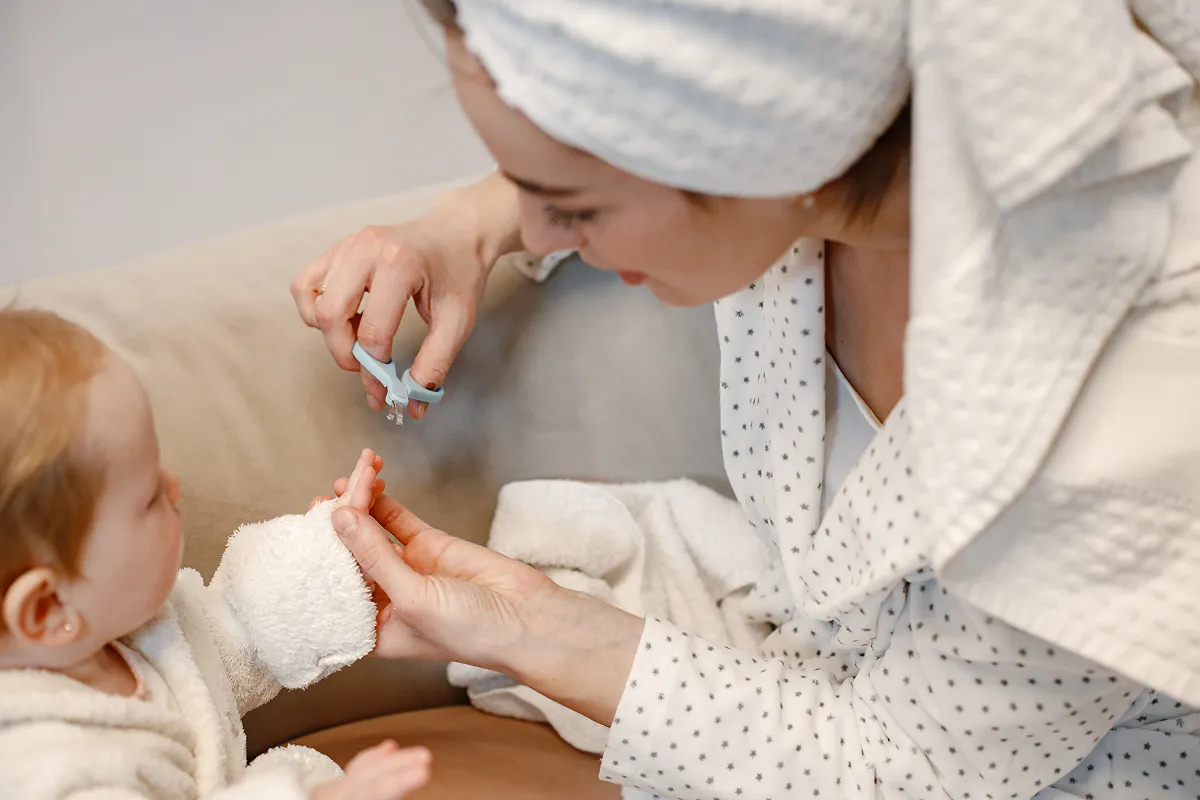
Newborn nails grow fast and can be surprisingly sharp. Keeping them trimmed helps prevent your baby from scratching their own face... which happens more than you'd think.

1 / 4

Trimming tips

A woman sitting on a bed feeding a baby with a bottle near a large window.
Yawning baby lying on a textured white blanket with arms raised.
Mother sitting on a carpeted floor playing with her toddler who holds a colorful toy cube, with other toys scattered nearby.
Mother lying on bed holding baby above her, both smiling and touching noses.

The easiest time to trim nails is when your baby is asleep or just after a bath, when nails are softer

Newborn Resource Center

When you have questions, we have answers, advice, and support.

Smiling baby with open mouth sitting on a doctor’s lap during a medical checkup.

First Visits to the Pediatrician 

Your baby's first few visits are some of the most important. Here's exactly what to expect.

Sleeping baby wearing a crocheted ladybug hat, wrapped in a soft brown blanket on a knitted surface.

Newborn Sleep

What's normal, what's safe, and how to survive the early weeks when sleep feels like a distant memory.

Coming Soon
Newborn baby lying on a mauve blanket wearing a light grey sleeveless onesie.

Your Newborn's Development

What to expect in your baby's first weeks and months — and how your Bluebird Kids care team tracks their growth along the way.

Coming Soon
Smiling mother holding and hugging her baby wearing a diaper.

Postpartum Self-Care

Taking care of a newborn means taking care of yourself too. Resources and reassurance for the journey.

Coming Soon
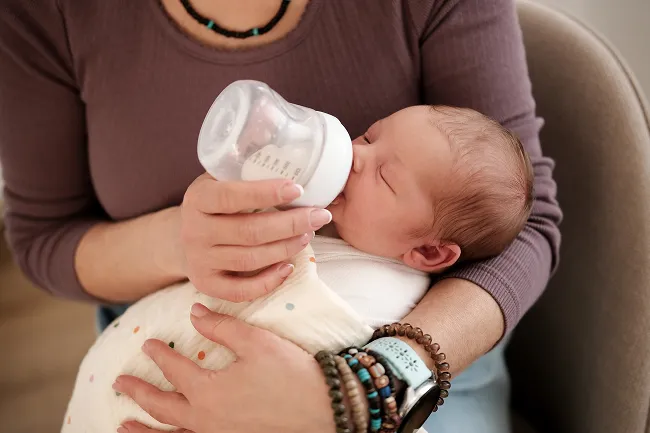
Adult holding and bottle-feeding a newborn baby wrapped in a soft blanket.

Feeding Your Newborn

Everything you need to know about feeding your baby — breast, formula, or both. No judgment, just support.

Ready to book your child’s next well-visit?

We can’t wait to see you.
Man and bab

Frequently asked questions

Ki enfòmasyon mwen ta dwe espere revize nan premye vizit tibebe ki fenk fèt mwen an?

Will you see my newborn without insurance?

Konbyen vit mwen ta dwe fè yon randevou ak tibebe ki fenk fèt mwen an?

Èske mwen ka rankontre pedyat mwen anvan tibebe ki fenk fèt mwen rive?

Ki plan asirans ou aksepte?

Are you accepting new patients?