Newborn Sleep
The newborn sleep stage is hard, but it's temporary. Here's what's normal, what's safe, and what our pediatricians actually recommend.
The newborn sleep stage is hard, but it's temporary. Here's what's normal, what's safe, and what our pediatricians actually recommend.


Reviewed by Dr. Michael Glazier, MD— Bluebird Kids Health
Updated May 2026

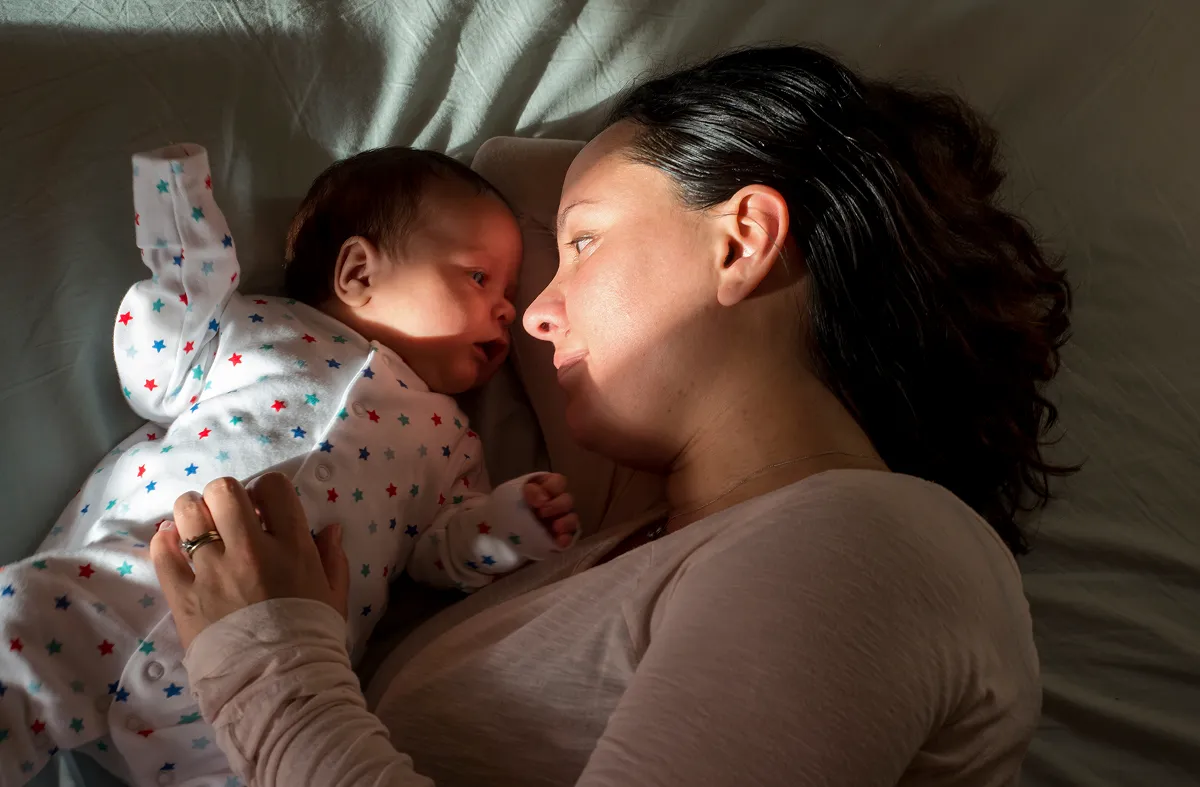
In the early weeks, your baby will sleep anywhere from 14 to 17 hours a day — but rarely for more than 2 to 4 hours at a stretch. That's not a problem. That's just newborns.
Newborns can't tell the difference between 2am and 2pm. Don't be surprised if your baby is wide awake in the middle of the night and sound asleep all morning. This gradually improves as their internal clock develops over the first few months.

Newborn sleep cycles are shorter than adult sleep cycles, which means your baby will surface into light sleep often — stirring, fussing, grunting, needing to be soothed. It's not a sign that anything is wrong. Most babies settle into a more predictable pattern around 3 to 4 months. Until then, the goal isn't a schedule; it's survival. And we mean that kindly.


The American Academy of Pediatrics recommends always:
We know it can be tempting to let your baby sleep in your arms or next to you when you're exhausted, but following these guidelines lowers the risk of SIDS and helps your baby rest safely.
And remember: you don't have to figure it all out alone. We're here to talk through safe sleep routines that work for your family.
Most newborn sleep challenges are normal — but some signs are worth a call. Trust your instincts. If something feels off, we'd always rather hear from you.

1 / 5
Common Newborn Sleep Myths





Sleep training comes with a lot of opinions — from friends, family, the internet, and probably a few strangers too. At Bluebird Kids Health, we don't take a one-size-fits-all approach, because frankly, neither does the research.

Before that, frequent waking is normal and expected — not a problem to be solved. Give yourself permission to not have a plan yet.

Gradual methods, more direct approaches, everything in between. The best sleep training method is the one that works for your baby and feels sustainable for you.

That's exactly the kind of conversation we love having at well visits. Your care team knows your baby — and can help you figure out what makes sense without the noise.


"Talk to your pediatrician! It's what we're here for. I know firsthand how hard this stage is. I always start by asking parents what they've already tried and what they think might be causing the trouble. Then we talk through what's typical for their baby's age, when things tend to improve, and some coping strategies to get through the stage they're in now."

"If someone offers you help, take it. It's the short and simple advice that I give all new parents. Moms deserve rest too!"

"Don’t worry about the laundry or the dishes. If the baby’s asleep, you should try to get rest as well. Sometimes it takes a whole month for a newborn’s sleep cycle to become better regulated, especially at night. "
"Talk to your pediatrician! It's what we're here for. I know firsthand how hard this stage is. I always start by asking parents what they've already tried and what they think might be causing the trouble. Then we talk through what's typical for their baby's age, when things tend to improve, and some coping strategies to get through the stage they're in now."
"If someone offers you help, take it. It's the short and simple advice that I give all new parents. Moms deserve rest too!"
"Don’t worry about the laundry or the dishes. If the baby’s asleep, you should try to get rest as well. Sometimes it takes a whole month for a newborn’s sleep cycle to become better regulated, especially at night. "
"Talk to your pediatrician! It's what we're here for. I know firsthand how hard this stage is. I always start by asking parents what they've already tried and what they think might be causing the trouble. Then we talk through what's typical for their baby's age, when things tend to improve, and some coping strategies to get through the stage they're in now." - Dr. Pamela Lindor
"If someone offers you help, take it. It's the short and simple advice that I give all new parents. Moms deserve rest too!" - Dr. Tory Twito,
"Don’t worry about the laundry or the dishes. If the baby’s asleep, you should try to get rest as well. Sometimes it takes a whole month for a newborn’s sleep cycle to become better regulated, especially at night. " - Dr. Dionne Skervin
When you have questions, we have answers, advice, and support.

Your baby's first few visits are some of the most important. Here's exactly what to expect.

From bath time to umbilical cord care to diapers, a simple guide to keeping your newborn clean and comfortable.

What to expect in your baby's first weeks and months — and how your Bluebird Kids care team tracks their growth along the way.

Taking care of a newborn means taking care of yourself too. Resources and reassurance for the journey.
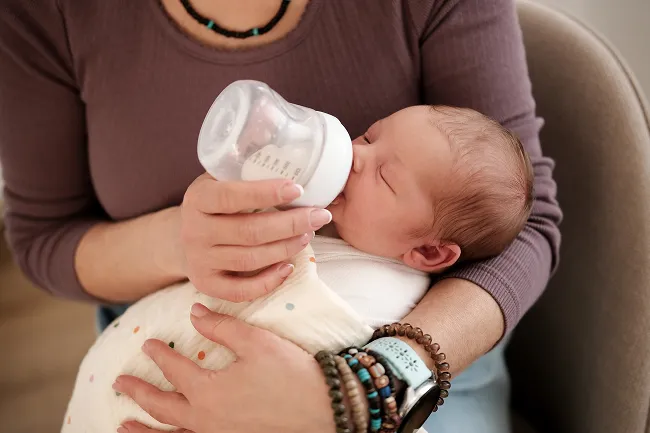
Everything you need to know about feeding your baby — breast, formula, or both. No judgment, just support.

Choosing your child's pediatrician is important. Let's make the decision easy.