Newborn Development
Every time you talk to your baby, hold them, or make eye contact, you're supporting their development. Here's what's happening in those early weeks — and what to watch for.
Every time you talk to your baby, hold them, or make eye contact, you're supporting their development. Here's what's happening in those early weeks — and what to watch for.


Reviewed by Dr. Michael Glazier, MD— Bluebird Kids Health
Updated May 2026


In these early days, I mostly eat, sleep, pee, poop — and cry! Don’t be surprised if I’m up often at night. By about 2–3 weeks old, I’m ready for short tummy time sessions, just a few minutes at a time on a mat or on your chest. This helps me build head and neck strength.

I’m starting to stay awake a little longer between naps and may even make eye contact with you. I still love being fed and cuddled most of the time, but you might notice I can briefly lift my head during tummy time. My movements are jerky now, but I’m learning fast!

Things are getting exciting! I may smile responsively (especially when I see you!) and begin to coo. My head control is getting stronger with tummy time, though I’ll still wobble. I’m more alert, following things with my eyes, and I love hearing your voice.

I’m showing more personality! I may laugh, hold my head up steadier, and even push up a little on my arms during tummy time. I’m also starting to bat at toys and bring my hands together. I’m still little, but I’m already exploring the world in new ways.


Every appointment reflects that. Our pediatricians take the time to actually know your child — no rushing, no one-size-fits-all.

Your care team is always reachable through the patient portal, and when you need to speak to someone right away, our after-hours nursing line is available 24/7.

Our job isn't just to keep your baby healthy — it's to make sure you feel supported, informed, and confident every step of the way.
At Bluebird Kids, we like to remind families that developmental milestones aren’t a test for parents — they’re simply a guide to help us spot concerns early. And the earlier we notice something, the better we can support your child’s growth. It’s normal for kids to be ahead in one area and take a little longer in another.
If you’d like to review milestones in between your well-visits, we recommend healthychildren.org.

Fun fact:
Babies usually focus on learning just one new skill at a time!
Every baby is different — but most parents will experience some version of the same milestones, questions, and late-night Googling. Here's what's normal in those early weeks.





Reach out if your newborn:
Not sure if it's urgent? Our 24/7 on-call nursing team is here any time (561) 509-5009.

Tummy time is one of the simplest things you can do to support your newborn's development. Spending time on their stomach while awake and supervised helps your baby build the neck, shoulder, and core strength they'll need to roll over, sit up, and eventually crawl. It also helps prevent flat spots from forming on the back of their head.
Start small — even just 2–3 minutes a few times a day in the first weeks. As your baby gets stronger, you can gradually work up to around 30 minutes total per day by 3 months. It doesn't have to happen all at once, and it doesn't have to happen on the floor.
Most babies protest tummy time at first — that's completely normal. It's hard work for a tiny body that's still building strength. The key is consistency over duration. Keep sessions short, stay close, and know that it does get easier. If your baby consistently seems uncomfortable or isn't showing any improvement in head control by 2 months, mention it to your child's pediatrician at your next visit.

It might not look like play yet, but every smile, song, and silly face is doing something important. In the first weeks and months, play is how your baby learns about the world, builds their brain, and deepens their bond with you. And the best part? You are all they need. No toys, no gadgets, no elaborate setups — just you.
1 / 6
What Play Looks Like at This Stage






Narrate your day, describe what you're doing, use their name. It all counts
Newborns get overstimulated easily, so short and calm beats long and busy every time. Your baby will tell you when they've had enough — looking away, fussing, or going quiet are all signs they need a break. Follow their lead. The most important thing you can do at this stage isn't buying the right toy or following the right curriculum. It's showing up, being present, and responding to your baby. That's it. That's the whole job.


When you have questions, we have answers, advice, and support.

Your baby's first few visits are some of the most important. Here's exactly what to expect.

What's normal, what's safe, and how to survive the early weeks when sleep feels like a distant memory.

From bath time to umbilical cord care to diapers, a simple guide to keeping your newborn clean and comfortable.

Taking care of a newborn means taking care of yourself too. Resources and reassurance for the journey.
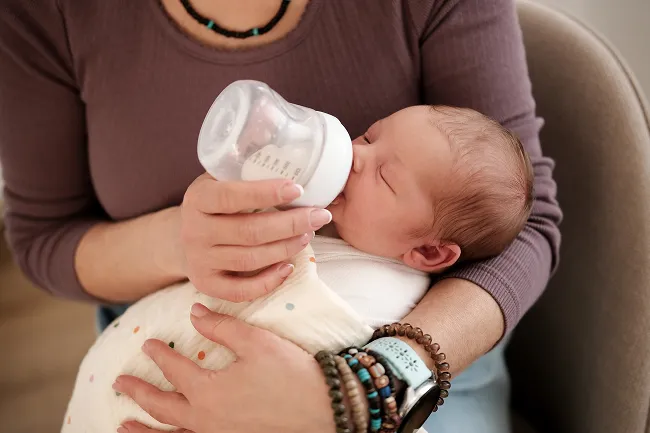
Everything you need to know about feeding your baby — breast, formula, or both. No judgment, just support.

Choosing your child's pediatrician is important. Let's make the decision easy.