Newborn Development

Every time you talk to your baby, hold them, or make eye contact, you're supporting their development. Here's what's happening in those early weeks — and what to watch for.

A baby in a blue onesie crawling and looking ahead.

A Day in the Life of a Newborn

Newborn baby peacefully sleeping while swaddled in a blanket.

The First Days (0–2 Weeks)

In these early days, I mostly eat, sleep, pee, poop — and cry! Don’t be surprised if I’m up often at night. By about 2–3 weeks old, I’m ready for short tummy time sessions, just a few minutes at a time on a mat or on your chest. This helps me build head and neck strength.

Baby lying on its back and staring curiously into the distance.

One Month Old

I’m starting to stay awake a little longer between naps and may even make eye contact with you. I still love being fed and cuddled most of the time, but you might notice I can briefly lift my head during tummy time. My movements are jerky now, but I’m learning fast!

Baby lying on its tummy and laughing joyfully.

Two Months Old

Things are getting exciting! I may smile responsively (especially when I see you!) and begin to coo. My head control is getting stronger with tummy time, though I’ll still wobble. I’m more alert, following things with my eyes, and I love hearing your voice.

Baby on its tummy laughing and lifting its head while trying to push up.

Three Months Old

I’m showing more personality! I may laugh, hold my head up steadier, and even push up a little on my arms during tummy time. I’m also starting to bat at toys and bring my hands together. I’m still little, but I’m already exploring the world in new ways.

Developmental Milestones

At Bluebird Kids, we like to remind families that developmental milestones aren’t a test for parents — they’re simply a guide to help us spot concerns early. And the earlier we notice something, the better we can support your child’s growth. It’s normal for kids to be ahead in one area and take a little longer in another.

If you’d like to review milestones in between your well-visits, we recommend healthychildren.org.

Mother smiling and laughing while holding her baby in her arms.

Fun fact:

Babies usually focus on learning just one new skill at a time!

What to Expect

Every baby is different — but most parents will experience some version of the same milestones, questions, and late-night Googling. Here's what's normal in those early weeks.

Mother lying on bed facing and holding her newborn baby dressed in a star-patterned onesie.

Their Body Is Still Adjusting

  • Most newborns lose a small amount of birth weight in the first few days, up to 10%. They should regain it within two weeks
  • Peeling skin, puffy eyes, and mild jaundice are all common and usually resolve on their own
  • Your child's pediatrician will monitor all of this closely at your early well-child visits

Their Senses Are Already Working

  • Newborns see best at 8-12 inches, roughly the distance between your face and theirs during a feeding.
  • They recognize your voice from their time in the womb
  • Talking, singing, and reading to your baby isn't just sweet — it's one of the best things you can do for their development
Sleeping baby wearing a blue knit onesie lying in a wooden crib with star-patterned sheets.

Sleep Looks Nothing Like You Expected

  • Newborns sleep 14–17 hours a day, but rarely in long stretches
  • Most wake every 2–3 hours to feed — day and night
  • Always place your baby on their back on a firm, flat surface, free of loose bedding and pillows
Sleeping baby wearing a blue knit onesie lying in a wooden crib with star-patterned sheets.

Feeding Is a Full-Time Job

  • Expect 8–12 feedings every 24 hours, whether you're nursing, formula feeding, or both
  • Signs your baby is eating enough: consistent wet diapers, steady weight gain, and a calm baby after feedings
  • Questions about feeding? Your child's care team is always a good first call
Sleeping baby wearing a blue knit onesie lying in a wooden crib with star-patterned sheets.

Crying Is How They Talk

  • Hungry, tired, overstimulated, too cold — it all sounds the same at first
  • Over time, you'll start to recognize patterns and pick up on their cues
  • You can't spoil a newborn, responding quickly builds trust
Sleeping baby wearing a blue knit onesie lying in a wooden crib with star-patterned sheets.

When to Call Your Child's Pediatrician

Reach out if your newborn:

  • Has a fever of 100.4°F or higher
  • Isn't feeding well or has fewer wet diapers than usual
  • Seems unusually lethargic or difficult to wake
  • Has a rash, persistent jaundice, or anything that doesn't feel right

Not sure if it's urgent? Our 24/7 on-call nursing team is here any time.

Sleeping baby wearing a blue knit onesie lying in a wooden crib with star-patterned sheets.

Tummy Time

Tummy time is one of the simplest things you can do to support your newborn's development. Spending time on their stomach while awake and supervised helps your baby build the neck, shoulder, and core strength they'll need to roll over, sit up, and eventually crawl. It also helps prevent flat spots from forming on the back of their head.

Start small — even just 2–3 minutes a few times a day in the first weeks. As your baby gets stronger, you can gradually work up to around 30 minutes total per day by 3 months. It doesn't have to happen all at once, and it doesn't have to happen on the floor.

Tips to Make It Work
  • Use your chest. Lying your baby tummy-down on your stomach is tummy time — and often the easiest place to start for newborns who aren't fans of the floor
  • Try it after a diaper change. Building it into an existing routine makes it easier to remember
  • Get down on their level. Eye contact, silly faces, and your voice go a long way when they're working hard
  • Use a rolled towel or pillow under their chest. A little extra support can make it more comfortable, especially in the early weeks
  • Keep sessions short and frequent. A few minutes several times a day is better than one long stretch
What If My Baby Hates It?

Most babies protest tummy time at first — that's completely normal. It's hard work for a tiny body that's still building strength. The key is consistency over duration. Keep sessions short, stay close, and know that it does get easier. If your baby consistently seems uncomfortable or isn't showing any improvement in head control by 2 months, mention it to your child's pediatrician at your next visit.

Mother wearing glasses holding a baby in a sling while talking on a phone in a kitchen.
Pixelated light blue cloud shapes aligned horizontally against a black background.

How to Play With Your Newborn

It might not look like play yet, but every smile, song, and silly face is doing something important. In the first weeks and months, play is how your baby learns about the world, builds their brain, and deepens their bond with you. And the best part? You are all they need. No toys, no gadgets, no elaborate setups — just you.

1 / 6

What Play Looks Like at This Stage

A woman sitting on a bed feeding a baby with a bottle near a large window.
Yawning baby lying on a textured white blanket with arms raised.
Mother sitting on a carpeted floor playing with her toddler who holds a colorful toy cube, with other toys scattered nearby.
Mother lying on bed holding baby above her, both smiling and touching noses.
Newborn baby sleeping with a pacifier in an adult's arms.

Talk to them — constantly.

Narrate your day, describe what you're doing, use their name. It all counts

Keep it Simple

Newborns get overstimulated easily, so short and calm beats long and busy every time. Your baby will tell you when they've had enough — looking away, fussing, or going quiet are all signs they need a break. Follow their lead. The most important thing you can do at this stage isn't buying the right toy or following the right curriculum. It's showing up, being present, and responding to your baby. That's it. That's the whole job.

Mother sitting on the floor playing and engaging with her baby who is holding a yellow toy cube.

Taking Care of Yourself

  • Rest when you can: Let yourself sit down. The mess can wait.
  • Stay nourished: Keep healthy(ish) snacks and a water bottle nearby.
  • Accept help from friends and family: It truly takes a village.
  • Move gently: Short walks or stretching can boost mood and energy.
  • Take moments for yourself: Whether it’s a shower, a hot cup of coffee, or browsing on your phone.
  • Check in on your feelings:It’s normal to feel overwhelmed. If sadness or anxiety lingers, let us know.
Parents gently holding their newborn baby together and looking lovingly at it.

Newborn Resource Center

When you have questions, we have answers, advice, and support.

Smiling baby with open mouth sitting on a doctor’s lap during a medical checkup.

First Visits to the Pediatrician 

Your baby's first few visits are some of the most important. Here's exactly what to expect.

Sleeping baby wearing a crocheted ladybug hat, wrapped in a soft brown blanket on a knitted surface.

Newborn Sleep

What's normal, what's safe, and how to survive the early weeks when sleep feels like a distant memory.

Coming Soon
Adult hands gently cleaning a newborn baby lying on a changing table with a pacifier in mouth.

Newborn Hygiene

From bath time to umbilical cord care to diapers, a simple guide to keeping your newborn clean and comfortable.

Coming Soon
Smiling mother holding and hugging her baby wearing a diaper.

Postpartum Self-Care

Taking care of a newborn means taking care of yourself too. Resources and reassurance for the journey.

Coming Soon
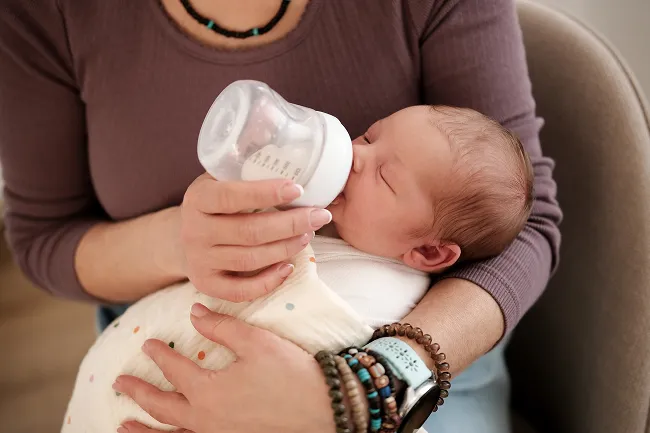
Adult holding and bottle-feeding a newborn baby wrapped in a soft blanket.

Feeding Your Newborn

Everything you need to know about feeding your baby — breast, formula, or both. No judgment, just support.

Ready to book your child’s next well-visit?

We can’t wait to see you.
Man and bab

Frequently asked questions

Ki enfòmasyon mwen ta dwe espere revize nan premye vizit tibebe ki fenk fèt mwen an?

Will you see my newborn without insurance?

Konbyen vit mwen ta dwe fè yon randevou ak tibebe ki fenk fèt mwen an?

Èske mwen ka rankontre pedyat mwen anvan tibebe ki fenk fèt mwen rive?

Ki plan asirans ou aksepte?

Are you accepting new patients?