Taking Care of You
You just did something incredible. And now, while everyone's attention turns to the baby — which is completely natural — it's important that someone reminds you: You need care too!
You just did something incredible. And now, while everyone's attention turns to the baby — which is completely natural — it's important that someone reminds you: You need care too!

Growing and delivering a baby is a lot...physically, hormonally, and emotionally. Recovery looks different for everyone, and there's no timeline you're supposed to hit.
1 / 5
A few things worth knowing as you settle in at home:




In the first few days, your milk coming in can feel intense: full, hard, and uncomfortable. Feeding frequently, warm compresses, and gentle massage can help. It does regulate. Read more about breastfeeding here.
None of this means something is wrong. But if anything feels severe or isn't improving, that's a good conversation to have with your OB or your midwife.

This is harder than it sounds when you're running on no sleep and keeping a tiny human alive. But the basics matter more than ever right now.


The days and weeks after birth can bring feelings you weren't expecting... and not always the ones you see in movies. Joy, grief, anxiety, numbness, and love can all show up at the same time. That's not a sign that something is wrong with you.
Baby blues, which includes mood swings, tearfulness, and irritability in the first 1–2 weeks, are extremely common and typically resolve on their own as your hormones stabilize.
Postpartum depression and anxiety are also common, affecting roughly 1 in 5 new mothers. They can show up anytime in the first year and not just immediately after birth. Signs to watch for include:
If any of this sounds familiar, please reach out — to your OB, your midwife, a therapist, or to us. You don't have to feel this way, and you don't have to figure it out alone.
A new baby changes every relationship in your life: your partner, your friendships, your sense of self. That adjustment is real and it deserves acknowledgment.
Talking about it helps. Whether that's with your partner, a trusted friend, or a professional. Don't let it sit.

When you have questions, we have answers, advice, and support.

Your baby's first few visits are some of the most important. Here's exactly what to expect.

What's normal, what's safe, and how to survive the early weeks when sleep feels like a distant memory.

From bath time to umbilical cord care to diapers, a simple guide to keeping your newborn clean and comfortable.

What to expect in your baby's first weeks and months — and how your Bluebird Kids care team tracks their growth along the way.
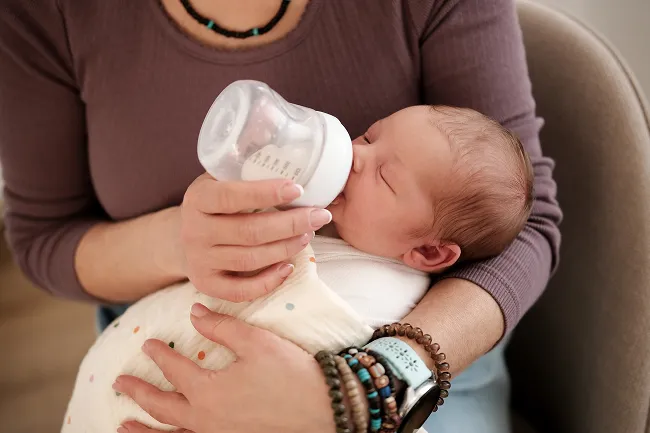
Everything you need to know about feeding your baby — breast, formula, or both. No judgment, just support.

Choosing your child's pediatrician is important. Let's make the decision easy.

This information was reviewed by Dr. Michael Glazier, MD, Chief Medical Officer at Bluebird Kids Health
Updated May 2026